
How Different Home Views Shape Your Well-Being and Property Value
- Andrew Benson
- Mar 16, 2025
- 3 min read
Updated: Mar 18, 2025

According to U.S.News, when searching for a home, buyers often focus on location, layout, and amenities—but the view from the windows can be just as influential. Whether it’s a serene treetop canopy, an expansive open landscape, or a breathtaking waterfront scene, the view can enhance the quality of life and significantly impact property value.
As real estate professionals, we understand that a great view does more than just provide something beautiful to look at—it can affect mood, health, and even financial return. Let’s explore the different types of home views and why they matter to both homeowners and buyers.
1. No-View or Limited-View Homes: Are They Always Undesirable?
Not every home comes with a stunning vista, but that doesn’t mean they lack value. Some homes may face blank walls, enclosed courtyards, or other buildings. While this might seem like a disadvantage, these properties can offer benefits such as enhanced privacy, reduced noise, and a sense of security—particularly in urban environments. For buyers seeking a quiet, distraction-free atmosphere, a limited-view home can actually be a perfect fit.
2. Treetop Views: Nature’s Ever-Changing Canvas
Homes with treetop views provide a lush, green escape from the urban hustle. These views change with the seasons, offering a dynamic backdrop that brings nature closer to home. Treetop views are known to promote relaxation, boost mental well-being, and attract local wildlife like birds and squirrels, creating a peaceful retreat for homeowners.
3. Open Views: Uninterrupted Beauty
For those who crave a sense of openness, homes with vast, unobstructed views are highly desirable. Whether overlooking rolling hills, open fields, or a scenic valley, these homes provide a feeling of expansiveness and freedom. Open views are especially valuable in rural or high-altitude locations, where they contribute to a home’s sense of exclusivity and tranquility.
4. Protected Views: A Secure Investment
Buyers often worry that their beautiful view could be blocked by future developments. That’s why protected views—those overlooking landmarked sites, wildlife preserves, or height-restricted zones—are particularly appealing. Some homeowners even purchase adjacent land to safeguard their scenery. In competitive markets, real estate professionals can provide zoning analysis to help buyers determine if their view is likely to remain untouched.
5. Water Views: A Premium Lifestyle
Waterfront properties have long been associated with luxury, and for good reason. A home with a lake, river, or ocean view is not just visually stunning but can increase property value by up to 80%, according to some reports. However, waterfront properties also come with risks—rising insurance costs and environmental changes, such as flooding and erosion, may impact long-term value. Buyers should weigh these factors carefully when considering a home by the water.
6. Airplane Views: Living Among the Clouds
For those who love cityscapes and panoramic skylines, high-rise living offers a unique perspective. Penthouse apartments and mountain homes provide stunning aerial views, often featuring twinkling city lights at night and vast landscapes during the day. While these views can be mesmerizing, high-altitude homes sometimes contend with fog or cloud cover that may obscure the scenery at times.
Why Views Matter in Real Estate
The importance of a home’s view goes beyond aesthetics—it plays a role in daily comfort, resale value, and even emotional well-being. Natural light, scenery, and a connection to the surrounding environment all contribute to the experience of homeownership. Buyers should consider not only what they see today but also what changes might come in the future.
At the end of the day, a home is more than just four walls—it’s a place where life unfolds. Finding a property with a view that resonates with you can make all the difference in turning a house into a dream home.
Thinking of buying or selling a home with a stunning view? Let’s connect and explore your options!
Source: usnews.com


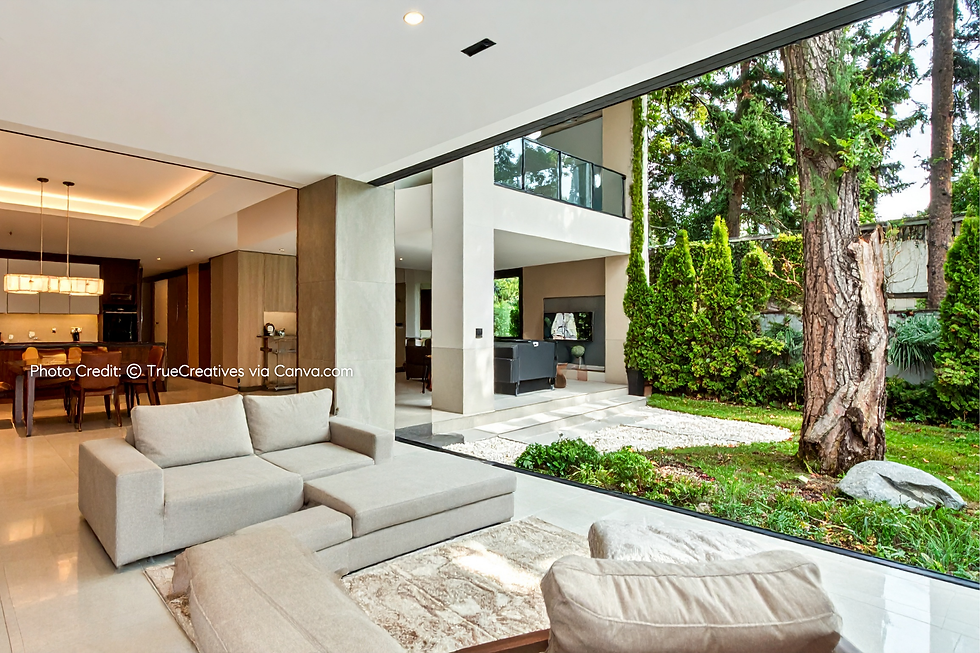
Views from a home can have a surprisingly strong influence on how a space feels day to day, but the value of that benefit often depends on how well the property supports the lifestyle around it. Natural scenery, open skies, or even a quiet neighbourhood outlook can make a home feel less confined, while practical factors such as privacy, accessibility, and maintenance costs still shape long-term satisfaction. The same principle applies to education and career choices, where the value of a qualification is not always obvious from the title alone. For anyone comparing degree options or planning a professional path, understanding what is bsc hons uk can provide useful context when considering how an honours degree differs from other undergraduate qualifications.…
This is super helpful! Maintaining surfaces and keeping them clean can be exhausting. We face the same challenges with cars. Over at The Detailing Mafia, we always recommend ceramic coating because its hydrophobic layer makes cleaning so much easier—dirt just washes off. Appreciate the advice in your post, definitely going to try some of these tips!
Spot-on advice on long-term strategy! Building a sustainable online presence requires the right technical foundation and regular updates. At Qubrixa, as a team striving to be the WordPress Seo services, we always tell clients that organic growth takes patience and precision, much like the steps described in your article. Excellent write-up!
This post about how different home views affect well-being and property value was really insightful. It is amazing how our surroundings can impact our mood and health. I felt that same need for good value when I was looking for coverage and found low cost auto insurance Texas to be a good choice. Good homes and good coverage both contribute to your peace of mind.
Managing construction projects requires a combination of planning expertise, technical understanding, and effective communication. A diploma in construction management often covers key disciplines including engineering drawings, project coordination, tendering processes, and construction management principles. Developing knowledge across these areas can help improve decision-making and project performance. Structured learning programmes provide valuable insight into modern construction practices and industry expectations. Continuous professional development remains important for those pursuing management roles in construction.